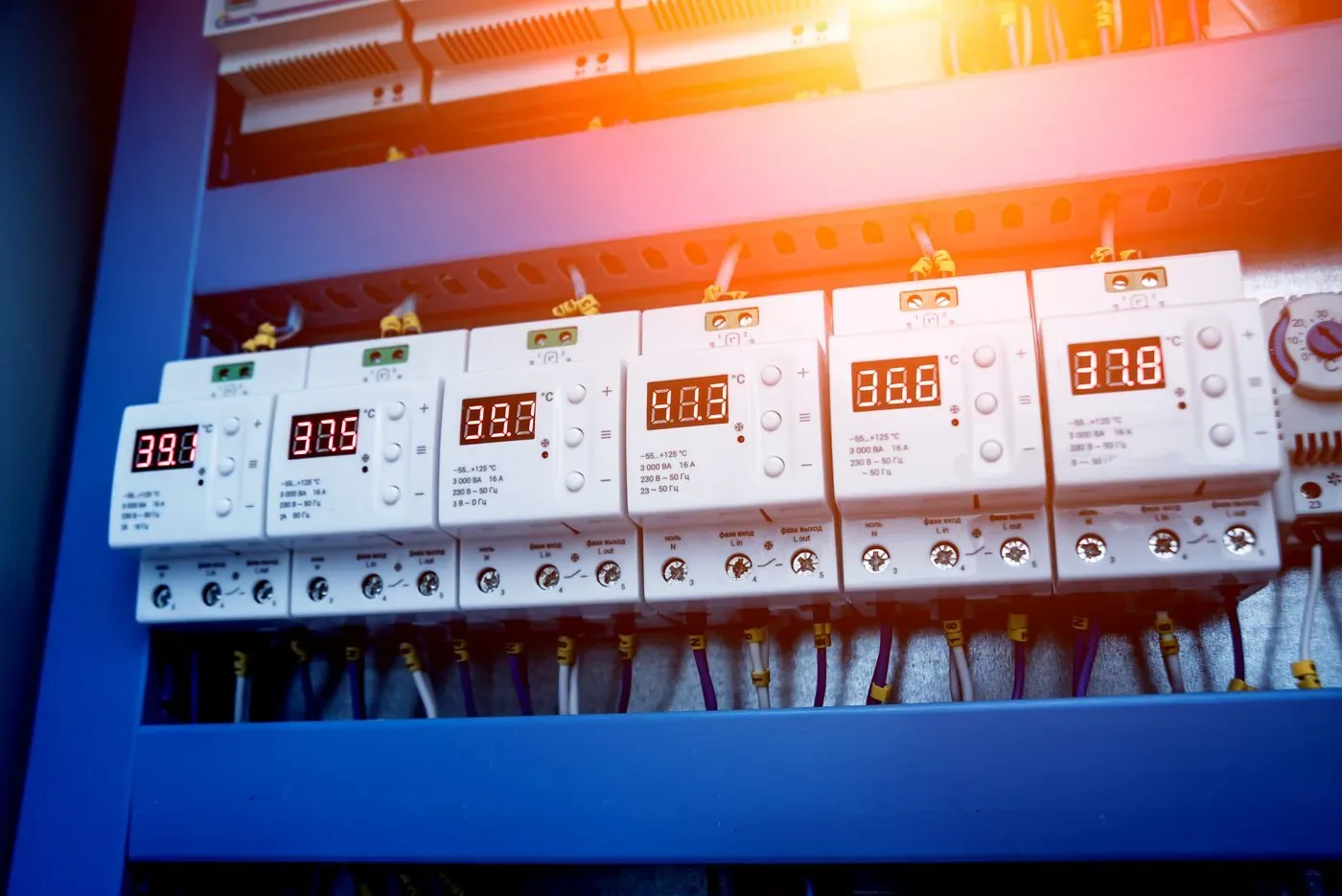
Power system studies, protection coordination, distribution design, and commissioning support for industrial, commercial, and infrastructure facilities.
Service Detail
Power systems engineering addresses the design, analysis, and performance of electrical infrastructure across a facility — from utility incoming supply and transformer distribution through MV/LV switchgear, protection systems, generator sets, and the end-use loads they serve. Reliable electrical infrastructure is a prerequisite for plant availability, equipment longevity, and personnel safety.
Industrial and commercial facilities in Iraq and the wider region operate under conditions that compound electrical risk: variable grid supply quality, heavy reliance on diesel generators, aging distribution equipment, and systems that have been modified incrementally without structured engineering review. Arc flash risk, protection miscoordination, and inadequate earthing are common findings across facilities that have not undergone formal power system studies.
MesoAxis approaches power systems work through engineering analysis before any recommendation — power system studies, protection coordination reviews, and field assessment establish the actual condition of the electrical infrastructure rather than relying on as-built drawings that may no longer reflect current configuration. Findings are documented in a form that supports corrective action, equipment procurement, and safe commissioning.
Core Capabilities
- Power System Studies
Systematic analysis of electrical system performance covering load flow, fault levels, protection coordination, and arc flash — establishing a verified engineering basis for system design, upgrade, or operation decisions.
- Electrical System Design
Engineering design for new or modified electrical systems — single-line diagrams, equipment selection, cable sizing, protection settings, and layout — matched to facility load profiles and operating conditions.
- Protection & Coordination Studies
Analysis of protection device settings and coordination across the distribution system to confirm that faults are cleared selectively and within time limits that protect equipment and limit damage.
- Short-Circuit Studies
Calculation of fault current levels at each point in the electrical distribution system to verify that equipment ratings are adequate and that protection settings are achievable under actual fault conditions.
- Load-Flow Studies
Analysis of power flow through the electrical distribution network under normal and contingency operating conditions, identifying voltage regulation issues, overloaded conductors, and transformer loading concerns.
- Arc-Flash Studies
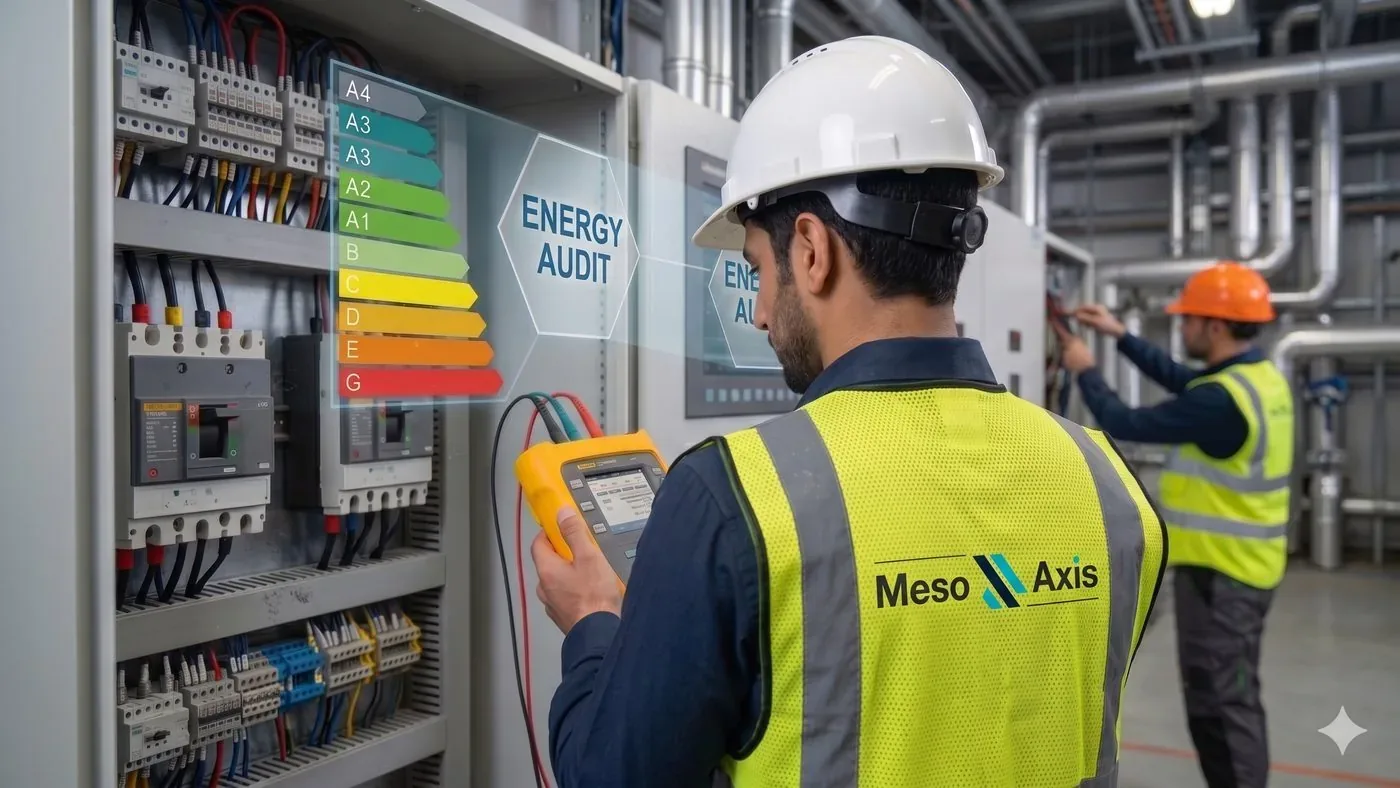
Evaluation of arc flash incident energy levels at electrical equipment to determine required personal protective equipment categories and establish safe working boundaries in line with applicable standards.
- MV/LV Distribution Systems
Design and technical review of medium voltage and low voltage distribution systems — switchgear selection, busbar sizing, cable routing, and distribution architecture — for new facilities and existing system upgrades.
- Generator Integration
Engineering review of generator connections, protection settings, automatic transfer switching, and synchronization arrangements to confirm reliable operation under grid outage and parallel running conditions.
- Earthing & Lightning Protection
Assessment and design of earthing systems and lightning protection installations to meet safety and equipment protection requirements under both normal and fault conditions.
- Electrical Reliability Engineering
Engineering review of electrical system reliability — identifying single points of failure, protection gaps, and maintenance deficiencies that create availability risk — and defining corrective measures prioritized by operational consequence.
- Commissioning Support
Engineering oversight during electrical system commissioning — witness testing, protection relay setting verification, insulation testing, and functional checks — to confirm installed systems perform as designed before energization.
- Troubleshooting & Root Cause Analysis
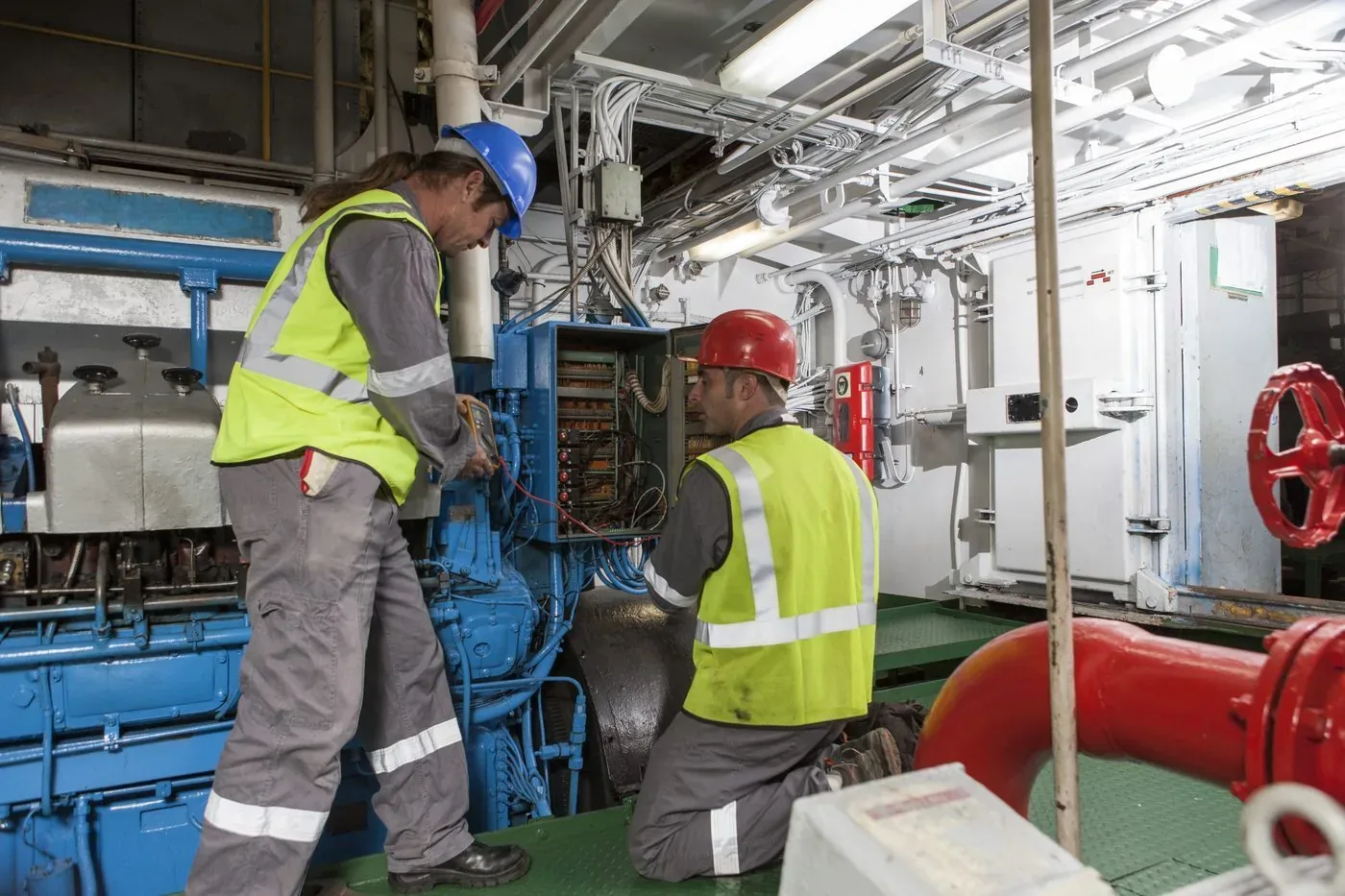
Structured investigation of electrical system failures, nuisance trips, and chronic reliability problems to identify root cause rather than address symptoms, supported by field measurement and protection record analysis.
Industries Served
- Oil & Gas
- Manufacturing
- Utilities
- Commercial Buildings
- Healthcare
- Infrastructure
Why MesoAxis
MesoAxis approaches power systems work through engineering analysis first. Every engagement begins with measurement, data review, or field assessment — not with a predetermined recommendation. Power system studies, protection coordination analysis, and arc flash assessments are performed against actual facility configuration rather than assumptions from outdated drawings.
Findings are grounded in what the facility's electrical infrastructure actually is, not what it was designed to be. Recommendations are tied to specific equipment, operating conditions, and consequence of failure — prioritized by what affects safety and availability most, not by what is easiest to sell.
The work is delivered by engineers with direct accountability for the analysis — not by project managers coordinating remote specialists. This means faster response to site conditions, clearer documentation, and engineering advice that can be acted on without interpretation.