
Overview
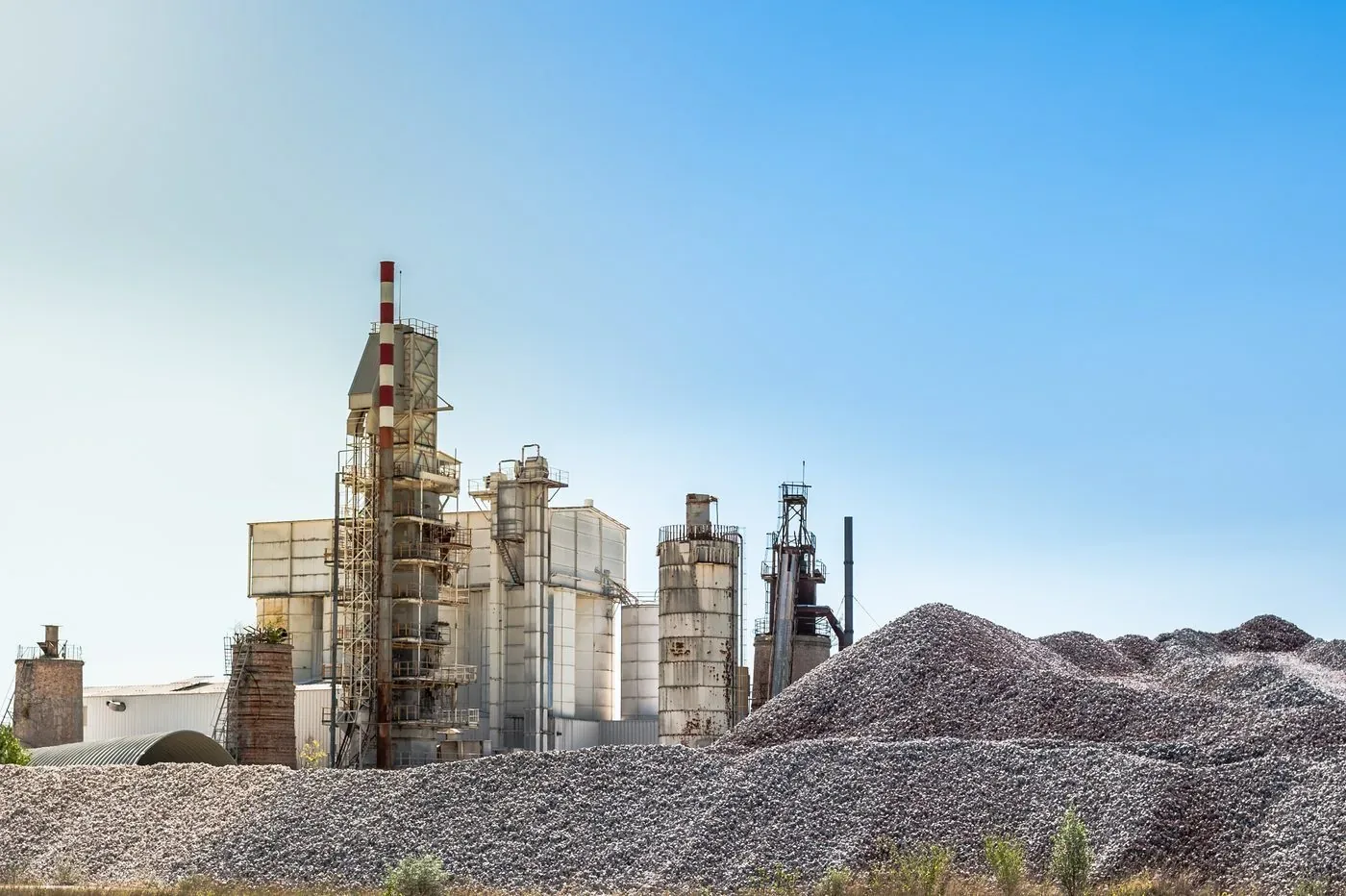
Cement, concrete, and block production involves some of the highest electrical and thermal loads in Iraqi industry — crushers, mills, kilns, conveyors, and compressors running continuously under heavy mechanical stress. MesoAxis examines how these systems perform against their design parameters and where energy and reliability gains are available.
Cement and block production sites across Iraq and Kurdistan typically draw substantial electrical demand from the national grid, supplemented or backed up by on-site generation during periods of supply interruption. The scale of motor loads involved — on crushers, mills, fans, and conveyor systems — means that even modest inefficiencies in individual machines translate into significant aggregate energy consumption across a plant.
Production volumes in this sector often follow construction-driven demand cycles, with plants running at full output during periods of high building activity and at reduced rates when demand slows. Equipment selected and sized for a particular production rate frequently continues operating at fixed speed regardless of the output actually required, and dust, heat, and vibration place ongoing demands on motor windings, bearings, and electrical enclosures.
Key Challenges
- Continuous-duty crushers, mills, and kilns operating under heavy mechanical load
- High electricity demand combined with unreliable grid supply
- Dust, heat, and vibration accelerating wear on motors and bearings
- Process lines that run at fixed speeds regardless of batch or output requirements
Typical Inefficiencies
- Large motors and fans without variable speed drives running at full output continuously
- Compressed air leaks and inefficient pneumatic conveying systems
- Kiln and thermal process heat losses through insulation and seals
- Conveyor and material handling systems running during idle production periods
How MesoAxis Engages
- Energy audits focused on high-consumption crushing, grinding, and thermal processes
- Industrial process optimization to align equipment operation with production output
- Power quality assessments to address voltage issues affecting large motor loads
- Monitoring and measurement to track specific energy consumption per tonne of output
- Maintenance planning for motors, bearings, and drive systems under continuous duty
Example Systems Involved
- Crushers and mills
- Kilns and thermal process equipment
- Conveyors and bucket elevators
- Compressors and pneumatic conveying
- Large induction motors and drives
- Electrical distribution and switchgear
- Dust collection and ventilation systems