
Overview
Food and beverage facilities rely on refrigeration, thermal processing, and packaging lines that must operate continuously to protect product quality. MesoAxis reviews how these systems consume energy and where reliability improvements support both efficiency and food safety requirements.
Food and beverage production in Iraq typically runs on continuous or near-continuous schedules to maintain cold chain integrity and meet packaging throughput targets, with refrigeration and thermal systems representing a large share of total site electrical and fuel consumption. Grid supply interruptions are a particular concern in this sector because refrigeration loads cannot be deferred without risking product quality and safety.
Boiler and steam systems, where present, are often original equipment maintained for continued operation rather than upgraded, with insulation, traps, and distribution piping showing the wear typical of long-running thermal systems. Hygiene and washdown requirements also influence how electrical and mechanical equipment is installed and protected, which affects both maintenance practices and the options available for efficiency improvements.
Key Challenges
- Continuous refrigeration and cold storage loads that cannot tolerate downtime
- Thermal processing equipment such as boilers, pasteurizers, and ovens with significant energy demand
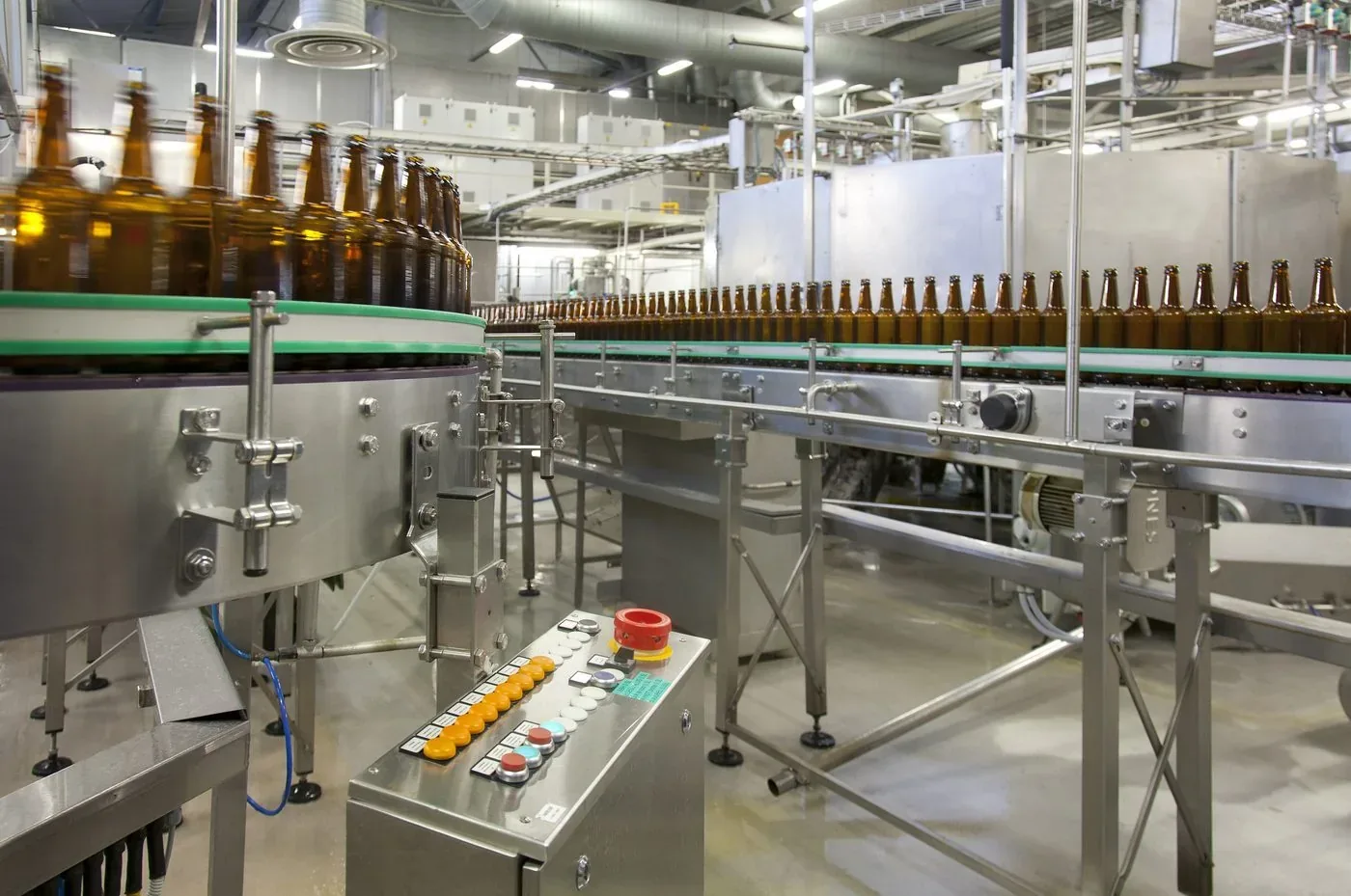
- Packaging and bottling lines requiring consistent power quality and equipment reliability
- Hygiene and washdown requirements that affect equipment selection and maintenance
Typical Inefficiencies
- Refrigeration compressors and condensers operating without optimized controls
- Boilers and steam systems with heat losses through insulation, traps, and distribution piping
- Motors on packaging lines running continuously regardless of production schedule
- Compressed air systems used for packaging and cleaning with leaks or oversized capacity
How MesoAxis Engages
- Energy audits covering refrigeration, thermal processing, and compressed air systems
- Industrial process optimization for packaging and processing line operation
- Monitoring and measurement to track energy use against production volumes
- Maintenance planning for refrigeration and boiler systems to sustain reliability
- Power quality assessments to protect sensitive processing and packaging equipment
Example Systems Involved
- Refrigeration compressors and cold storage
- Boilers and steam distribution
- Pasteurizers and thermal processing equipment
- Packaging and bottling lines
- Compressed air systems
- Electrical distribution and switchgear
- Washdown and sanitation systems